Dionysus Guide: The Bold Bargain Wines of España

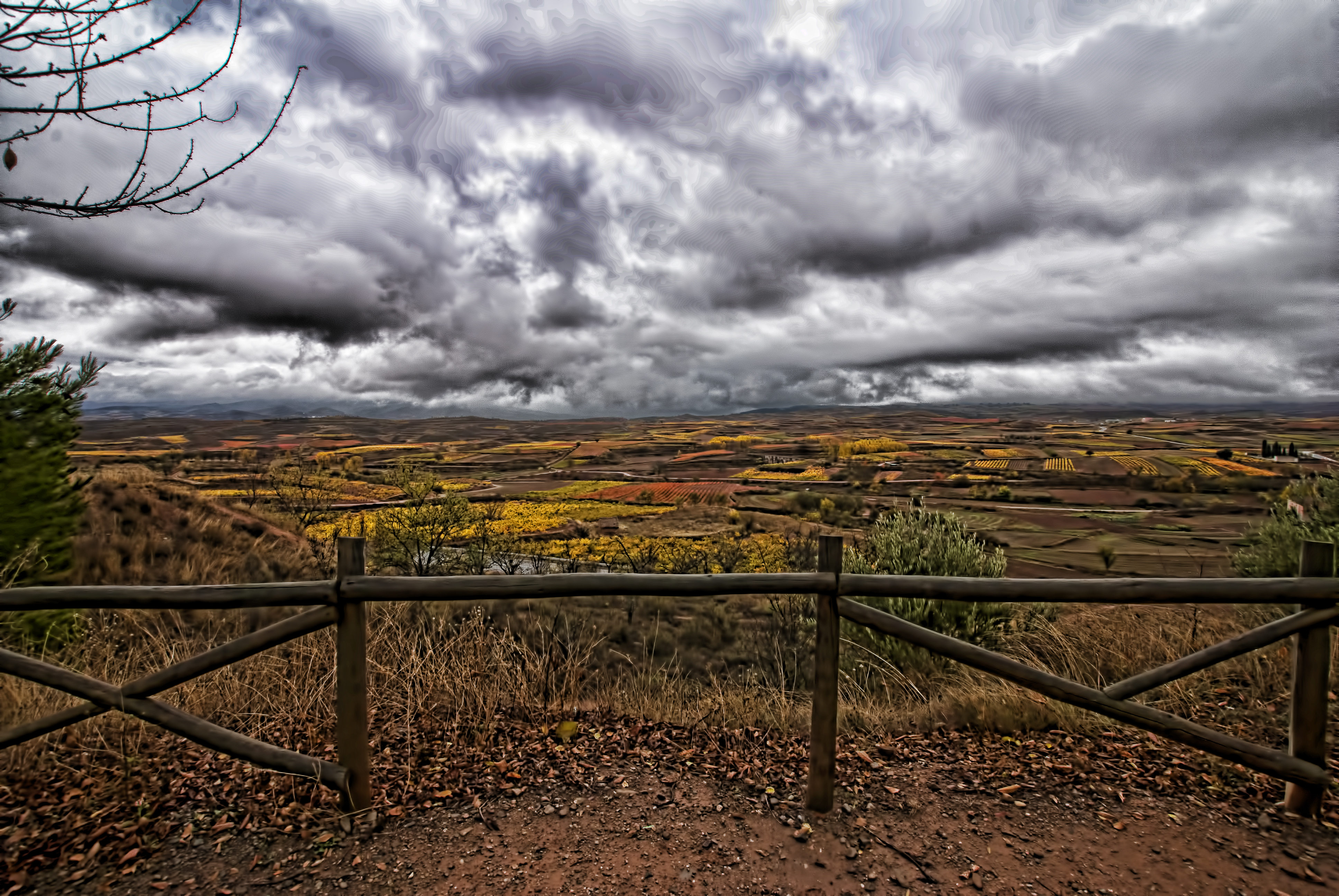
Painting La Rioja, by Jesus Solana

After living in Spain for a good part of 2014, I never wanted to leave. It’s a vibrant, complex, varied, bold country rich in history and flavor, and the same can be said for its wine. Its vineyards cover more land than those of any other country, have been growing grapes since before the time of the Romans, and consistently produce some of the best (and most interesting) wines in the world.

Best Bargain in Europe

Luckily for us in the U S of A, Spanish wine is also insanely underpriced for the quality you get. Why?

1. France and Italy are wine-making divas who hog the spotlight and have the power to charge more for their time-tested name-brand.

  • How many of you have heard of France’s Champagne? or Italy’s Pinot Grigio? (Probably everyone)
  • How about Spain’s Albariño? (I’d guess not too many, although it’s actually one of the most famous wines in Spain)
  • So you’re going to spend the same amount on a subpar Italian Pinot Grigio as you are on a decent Spanish Albariño.

2. Spain only started exporting wine fairly recently, so Americans aren’t as familiar with it.

  • Spaniards traditionally drank so much wine per capita that there was none left to export.
  • The military dictatorship under General Franco didn’t quite excel at free trade and investment, so until the 1990s Spain’s winemakers were still using inefficient and outdated production techniques.

3. The first Spanish wines that appeared in the U.S. were ultra-cheap (think Franzia) and did lasting PR damage.

  • Fool me once shame on me…

But times have changed. Globalization and countless other forces have transformed the world, and more importantly delivered Spanish wines of all kind and quality to a grocery store near you. And that, my friends, is why Spain is a wonderful place to start your wine adventure. It’s brimming to the edges with tasty wines that you’ve probably never heard of and won’t have to spend a paycheck on to enjoy.

Grape Varieties

Spain’s grapes are extremely diverse, but I’m going to focus on the varieties most often found in wine stores and supermarkets around the US.

Red (Tinto) Varieties

Garnacha (Grenache): This popular grape is found all over the world but thrives in Spain’s dry warm Mediterranean climate, where it first originated. It’s also one of my favorites, because it goes down smoothly due to its low acidity and fruit-forward flavors (buy an extra bottle because you’ll probably need it).  It’s usually medium-full bodied with a mixture of ripe berry and black cherry flavors plus a dash of cinnamon spice at the end. It has soft tannins but a high alcohol content with a touch of sweetness, and you’ll notice from the second you open the bottle that it smells kind of like a fresh-baked blackberry pie. A great choice for your first forays into Spanish wine.

Tempranillo: When I taste Tempranillo I am transported back to the castle-studded, wind-swept plains of Castilla y León–the historic heart of Spain where I used to live. Tempranillo thrives there because of the temperature on the high altitude plateau. The daytime temperatures are high enough for the grape to produce sugar, but the night time temperatures are low enough to produce more acidity, resulting in a balanced flavor. Tempranillo produces a robust full bodied wine. It’s relatively acidic and you can definitely taste its tannins, but beware! Tempranillo is a tricky little shapeshifting grape that’s flavor can vary widely due to a number of factors–especially the tendency of Spanish winemakers to age it for long periods in oak barrels (which we’ll discuss more later). Tempranillo’s taste can vary from intense bold red fruit flavors on one end to almost savoury with a complex mix of tobacco and leather on the other. Like I said, Spanish wine is always an adventure…

Monastrell (Mourvèdre): Another world-famous grape that originated in Spain, Monastrell creates wines that come at you full of flavor, but with nuance and complexity. Like Cabernet Sauvignon? Well, you might like Monastrell. It has strong tannins, relatively high acidity, and is as full-bodied as can be. It has a dark rich color that serves to emphasize its velvetty nature. It tastes are generally a combination of ripe dark fruits like currant and plum plus accents of flowers and earthy mineral flavors. Sound strange? I thought so too. But when done right, a good Monastrell can change the way you look at wine.

White(Blanco) Varieties

Albariño/Alvarinho: More or less found exclusively in Northwestern Spain and Portugal, Albariño is without a doubt the most famous Spanish white grape–and most likely the only one the vast majority of wine drinkers have heard of. Watch out! It’s addictively drinkable, and perfect to share over dinner or give as a gift. It’s dry and medium-bodied, with a bold refreshing acidity that makes it perfect to pair with seafood and–my favorite–Thai cuisine. The tartness allows it to be fruity without being sweet, and wines made by the grape often have the flavors of a white Georgia peach and the nose of fragrant orange blossom. 

Verdejo: Concentrated throughout central Spain, the Verdejo grape was spread there by the Moors from its home in North Africa. Chicago Tribune wine critic Bill Daley called the Verdejo the “Cinderella grape of the wine world” in an article from 2010. It’s been widely overshadowed by the famous Albariño and overlooked because of its roll in producing sherry–a fortified wine. But the fairy godmother’s done some magic, and with investment and renewed interest by winemakers, Verdejo is shaping up to be the next big white to come out of Spain. If you like good dry Sauvignon Blanc–with its high acidity,  grassy or minerally aromas, and bold citrus flavors–try out a Verdejo next time. And since Verdejo still hasn’t quite made it to the ball yet (let alone met Prince Charming), getting a quality bottle won’t break the bank.

Navigating Spain’s Wine Classifications

Old World wine (from Europe) is defined by centuries of winemaking techniques and traditions that developed around terroirthe environmental conditions, especially soil and climate, in which grapes are grown and that give a wine its unique flavor and aroma. Because of this wine classification in Europe is defined primarily by region and secondly by grape variety. In the rest of the world, the reverse is true. This can make it especially challenging for an American to break into the world of European wine because you have an added layer of complexity to navigate. 

Spain’s Regional Classification

Spain uses a regional certification system to classify its wine and has very strict regulations to ensure quality and consistency.

Denominación de Origen Calificada (DOCa): This is the highest designation, and only two wine-producing regions have been granted this status: Rioja and Priorat. In order to be labeled DOCa, a wine must comply with a multitude of regulations determined by the region including: the vineyard’s location, what grapes are used,  grape yields, traditional winemaking practices unique to each region, etc. The regions receiving a DOCa classification produce Spain’s highest quality wines with consistent character and unique tradition.

Denominación de Origen (DO): This is the second tier from the top on Spain’s classification pyramid, and wine’s baring the DO label are also governed by a set of rules and regulations determined by their region. There are a lot of awesome DO regions in Spain that haven’t quite reached the fame and maturity needed to get the DOCa classification (nor do all regions aspire to DOCa status due to extra rules that some winemakers see as stifling creativity). Vino de Calidad Producido en Región

Determinada (VCPRD): This classification is used as a kind of transition label for a region attempting to get advanced to DO status.

Vino de la Tierra (VdlT): A wine baring the VdlT designation is certified to be from a certain region. It is not governed by any other regulations, but is seen as of higher quality than table wine. These wines are not necessarily inferior, they are simply not regulated to the extant of the higher classifications.

Vino de Mesa (VM): Unregulated wine. The winemaker has full power to blend grapes of different varieties and of different regions as well as use any methods to produce a wine. Once again, VM is not necessarily bad wine. It’s simply unregulated and maybe untraditional.

Vino de Pago (VP): This is a relatively new designation that is meant to certify quality vetted wines from a specific vineyard that might not follow the regulations set by the other classifications. Creative and unorthodox winemakers are starting to use this designation because it allows them to experiment without the stigma attached to a VM designation.

Spain’s Aging Classifications:

Not only are there regional regulations for Spanish wine, but there are also rules governing the aging process. There are four levels of aging. Traditionally, the longer the wine is aged, the more expensive (and of higher quality) it will be.

Un-aged: Without aging, you’re going to get a young wine with fruit-forward taste.

Crianza: You’re going to get some oaky flavors, but the fruit will still shine through. Most Spaniards will drink crianza wines on a regular basis due to their affordability.

  • Red: 2 years (at least 6 months in oak)
  • White/Rosé: 1 year (at least 6 months in oak)

Reserva: Think of reserva as the Momma Bear from Goldilocks. It’s right in the middle of the fruit-forward nature of crianza and the smoky oaky characteristics of gran reserva. It’s a happy medium wine made with quality grapes.

  • Red: 3 years (at least 1 year in oak)
  • White/Rosé: 2 years (at least 6 months in oak)

Gran Reserva: Gran reserva’s are the wines you let sit in the cellar for years waiting for a celebratory reason to open. They use the best grapes, have a ton of complexity, and only get better with age. But…they’re also quite expensive and the strong oak influence and robust tannins don’t fit everyone’s taste.

  • Red: 5 years (at least 18 months in oak)
  • White/Rosé: 4 years (at least 6 months in oak)

Top (or unique) Regions:

So now that we’ve got all of that regulatory legalese out of the way, let’s finish with what’s going to be most important when you’re picking a wine off of a menu or at the store–what distinguishes a few of the top wines in Spain. Some bottles will only list their geographical classification, not their grape varieties, so you have to keep your regions straight!

Denominación de Origen (Spain)

Reds (Tintos)

Rioja, Toro, & Ribera del Duero (The Three Little Tempranillos)

Remember the magical shape-shifting Tempranillo grape I described earlier? The following three famous regions’ wines are all made primarily from Tempranillo grapes, blended with up to 30 percent of other varieties (Garnacha, Graciano, Cabernet Sauvignon, or Merlot, etc.). You’d expect the red wines of Rioja, Toro and Ribera del Duero to taste more or less the same, but in fact they are quite distinct due to each region’s unique terroir–environmental and cultural factors. Here’s the scoop.

Rioja (DOCa): Rioja is the premier wine region in Spain, and was the first to receive DOCa status due to its reputation for quality and consistency. The region takes up a large swath of the autonomous community sharing the same name (see number 15 on map). Both Rioja’s chillier weather and rich history have a big impact on the character of its wines.Traditionally Rioja’s were aged heavily in oak, and the resulting strong woody vanilla flavors tended to dominate. Recently winemakers have been producing a greater variety of lightly-oaked wines in a nod to global wine trends, but the traditions of the region still reign. Riojas are usually characterized by a definite fruitiness in their flavor, but with light acidity, lower alcohol content and a smooth velvety texture. The cooler weather produces the most delicate and elegant of the three Tempranillos, with a drier taste, and complex aromas that develop nicely with age. If you’re the classically sophisticated sort, Rioja should be your Tempranillo of choice.

Ribera del Duero (DO): Many wine experts now see the high rocky plateau snaking along the Duero River (see number 13 on map) as the premier producer of Tempranillos. It’s not bound by the same traditional constraints as Rioja, and its hot days and cold nights produce a darker, fruitier, meatier, spicier wine with firmer tannins and lots of flavor. Wines from Ribera del Duero have a complex structure and age very well. One downside is that since the region’s weather can be a little extreme and unpredictable, wines of different vintages (years) can vary significantly. But overall, this is my favorite of the three big Tempranillo regions.

Toro (DO): Centered around the beautiful Medieval city of Zamora (see number 10 on map), the Toro wine region is the hottest of three. Because of this, its wines are extremely bold, with lots of tannins, high alcohol content and acidity. They are bursting with fruit flavors and can be a little rustic. You’re going to want to drink Toros young, as they don’t really age very well. The region is quite trendy right now for the Spaniards in the know, and who knows how long it will stay undiscovered by the rest of the world. So if you’re the hipster type who likes to be ahead of the curve, check out a wine from Toro ASAP.

Others:

Calatayud (DO): This region in the Autonomous Community of Aragón (see number 22 on map) puts out some great inexpensive Garnachas that are bold, full bodied, fruit-forward and go down smooth. I’ve also surprisingly seen a lot of wines from Calatayud in supermarkets throughout the U.S., so it should be easy to find.

Priorat (DOCa): Isolated in the rugged hills of Catalonia (see number 28 on map), Priorat is a little region that packs a big punch with its old vines. Its wines have made a splash on the world stage by exemplifying Garnacha’s dark ripe flavors and crafting an intensely juicy fruit-forward wine. Because of its newfound fame, wines from Priorat tend to be on the expensive side, and I’ve tried a few bottles that I found a little one dimensional and overpriced. But when done well, Garnacha’s dense fruit taste is balanced out with the earthy rocky flavors of the Priorat landscape, resulting in a wine with great structure and a unique character that’s well worth the money.

Jumila (DO):   The Monastrell grape thrives in the long hot dry summers of this region in the Southeast of Spain (see number 41 on map). Wines there are a great bargain, and perfect to warm you up this winter. They’re characterized by a deep scarlet color, rich dark chocolate and plum flavors, black pepper spice, and soft ripe tannins that linger.

Whites (Blancos):

Rias Baixas (DO): Located on the windswept Atlantic coast of Galicia (see number 1 on map), Rias Baixas produces the most famous Albariños in all of Spain–known for being refreshingly acidic and crisp with citrus peach flavors and floral notes. The perfect wine for a hot summer day.

Ribeiro (DO): Still in Galicia, but located a little further inland from the Atlantic (see number 2 on map), the Ribeiro region puts out some great wines made from the Albariño, Palomino, Torrontres, and Treixadura grapes. Ribeiro wines tend to have a fresher rounder fruit flavor compared to Rias Baixas’ crisp acidity.

Rueda (DO): The Rueda wine region is located in Castilla y León (see number 12 on map). While this is the heart of Tempranillo country, Rueda itself is known more for its white wines–especially Verdejo. Verdejo is the most widely planted white grape in Spain, but in my opinion nowhere is it done better than Rueda. Rueda’s Verdejos are dry but bright, which a richness that is balanced by a tart acidity, and flavors of lemon and lime grounded by minerality. They also pair well with almost all foods. As you may have guessed, I’ve enjoyed more than a few of Rueda’s Verdejos in my day. I can’t recommend trying one enough. Best of all, they’re still a bargain in the U.S., so you should be able to find a decent bottle for 10 to 15 dollars.

Lanzarote (DO): This wine region is located in the Canary Islands, and while politically part of Spain, Lanzarote is geographically a part of Africa (see number 67 on map). While you won’t see too many wines from Lanzarote in the grocery store near you, it is the most interesting wine region I have ever visited and I don’t think it will be surpassed in this regard any time soon. Lanzarote is a volcanic island with more or less no trees and very little plants because of the ash and magma. To be honest, the island looks a little like Mars. But somehow, it has a thriving wine industry with huge vineyards specializing in the white Malvasía grape–which is well suited to the environment. Lanzarote’s Malvasía’s are light and balanced. They tend to pick up the volcanic mineral flavors of the land with a touch of citrus. If you ever have a chance to try one (or visit), I’d highly recommend it if only for the experience.

La Geria, Lanzarote (By Garrondo)

Tagged , , , , , , , , , ,

The Dionysus Guide: Decoding Winespeak

confused-man-mdWine

The Dionysus Guide: Decoding Winespeak

I’ve spent a lot of time traveling the world, and even more time working as a server at a wine bar & bistro. While waiting tables is not nearly as glamorous as jet-setting around Europe, both experiences gave me the opportunity to learn a ton about one of God’s greatest gifts to humanity–Wine.

After being tasked on more occasions than I can count to choose wine for both friends and family, I have decided to share what I’ve learned through a new blog segment–The Dionysus Guide. I’m by no means a sommelier, and won’t be focusing on the hoity-toity or the technical. In the spirit of the fun-loving Greek god of wine and festivals, I hope to share my passion for wine without the pretense, and make choosing your next bottle or glass an adventure rather than a shot in the dark.

Decoding Winespeak

A grimy lavender finish and 150-proof sauerkraut elements are entangled in the 2008 Semillon from Acme Winery.

Say What? I created the above wine tasting notes using the tongue-in-cheek Wine Review Generator thats stated goal is to lampoon the pompousness and complexity of winespeak. It’s quite the absurd description, yet I’ve seen worse on the back of real wine bottles.

One of the biggest hurdles to navigating the world of wine is that the industry is chock-full of jargon. Reading the back of a wine bottle or listening to your waiter describe a wine is sometimes like trying to read Beowulf in old English…you’re guessing every other word. In fact, I’m going to go ahead and say that your waiter probably doesn’t really even know what they’re talking about. The majority of the time they read the back of the bottle, sew together some fancy words, then pray you don’t ask any challenging questions that would send their house of cards tumbling to the ground.

So, for the inaugural Dionysus Guide post, we’re going to tackle some of the most common terms used to describe and categorize wine:

Reading the Wine Bottle:

Varietal: The type of grape(s) used to make the wine. This is probably the most important factor in determining taste. A Miller Light is going to taste a lot more like a Bud Light than a Guinness because both are light pale lagers. In the same way, a wine made with Pinot Noir grapes is going to have a consistent set of flavors that differentiate it from a wine made with Cabernet Sauvignon grapes.

Winery: The company or vineyard that produces the wine. Most wineries have more than one type of wine, so if you find a bottle you like you can try out their other options.

Vintage: The year the grapes were harvested. Younger wines are generally more fruity and crisp, while older wines are more smooth and balanced.

Location: Where the grapes in a wine were grown can have a significant impact on the final taste. Often, the wines produced from a certain region will share common characteristics. This could be due to the soil, temperature, style of planting, etc. Also, wines from colder climates have a tendency to taste crisper, while wines from warmer climates are more ripe and tropical. But none of these are hard and fast rules.

Alcohol Content: The concentration of alcohol in the wine definitely plays a part in how the wine tastes, and is closely related to the terms full-bodied and light-bodied. But we’ll discuss those more later.

Words Used to Describe Taste:

Full-bodied: The wine has a higher alcohol content. When you swish it around in your mouth it will feel heavier and thicker.

Light-bodied: This wine has a lower alcohol content. The aforementioned swish will reveal a lighter, thinner-feeling wine.

Mouth-feel: Simply the feel of a wine in your mouth. Different wines have drastically different feelings that can be influenced by a number of factors.

Balanced: A wine is balanced when its various flavors and characteristics complement each other harmoniously. If a wine is lacking balance, something is out of whack, like a recipe gone wrong. Maybe the wine is sickeningly sweet or overly acidic. Whatever the case, drinking an un-balanced wine is not a pleasant experience.

Acidity: All wine is acidic, but each wine will vary in the intensity and amount of acid. If a wine is too acidic it will taste harsh and sour (like drinking vinegar), but if a wine is too low in acidity it will taste dull and flat (like soda that’s lost its carbonation). The happy medium ranges from crisp and refreshing on one end to soft and smooth on the other.

Finish: The lingering aftertaste of a wine. Finishes are generally described by how long they linger (short/long) and their flavor.

Nose: The smell of the wine. It can enhance (or detract) from the taste, but also be enjoyed in its own right.

Tannins: They come from the skin of the grape and provide a sensation that is difficult to describe because it is felt, not tasted. Think a dryish texture-filled mouth feeling. Tannins are most evident in red wines and often add complexity and nuance. Tannins can be described by their amount, and also their style (grippy, silky, oaky, smooth, hard, soft, firm, etc.)

Fruit-Forward: It tastes fruity! (but not necessarily sweet.)

Spicy: A little different from jalapeños. Describes a flavor of spices like cinnamon, anise, pepper, etc.

Sweet: Just what you think it means. A high sugar content or a sweet flavor (and the opposite of dry).

Oaky: The multitude of woody flavors and smells that can result when wine is aged in oak barrels.

Buttery: The smooth creamy taste of toast and butter.  Results from wine being aged in oak.

Dry: Not sweet and low in sugar. Be careful not to confuse “dry” with tannins. Tannins do make your mouth feel dry but have nothing to do with sugar content.

Effervescent: Bubbly. Could be highly carbonated (like Champagne) or slightly (like Vinho Verde).

Jammy: A ripe berry-like flavor, with low acidity.

Velvety/Smooth: Two words to describe a well-balanced wine that goes down easy with a silky texture and mouth-feel.

There are hundreds of ways to describe wine, but I don’t see any need to get carried away. What really matters is that you enjoy the wine you drink, and don’t get caught up in the jargon. Hopefully knowing the above terms can help you find something you like at the grocery store, or maybe even impress a date.

Stay tuned for my next post on the wines of Spain!

Tagged , ,

Running Toward Dreams

I’m often confronted by friends or acquaintances who don’t understand how anyone could ever ENJOY running, and I more or less fail every time I try to explain why I do. I wrote my memory of a 10K in an attempt to remedy this failure…

Pain shot through my legs as I forged onward down the path. I could feel my lungs gasping for oxygen as my chest heaved in and out. Every stride felt impossible. Every breath burned more intensely than the last. Every inch of my body screamed to let up, to slow down. It told me that I could not continue, that I could not achieve what I had set out to accomplish.

As I rounded a turn I caught a glimpse of the runner ahead of me. The visual stimulus was enough motivation to deny the pain and push harder. After what seemed an eternity, I caught up. Back and forth we battled, taking turns pushing the pace. I focused all of my energy into beating him, but the real fight was being waged deep within.

The grassy meadow soon gave way to a hilled forest. Isolated in the heart of the woods, my mind began its betrayal. It joined the ranks of the enemy as doubts crept in from all angles. “You can’t keep this up,” it whispered. “It’s only a matter of time before you give out.” It searched for some reason or excuse to use as a crutch, and at that point there were a multitude of things to choose from. I hadn’t raced in years, my recurrent tendonitis was flaring up, my asthma, my back condition—each seemed a perfectly justifiable reason to slow down and give up. But no temptation is stronger than the sweet siren of tomorrow. There would always be another race, another day, another opportunity.

I gave in to those traitorous thoughts, and almost instantly the excruciating exhaustion began to subside. My pace slowed, and a great relief flooded over me as I settled in for a coast to the finish.

As the distance between the other runner and I grew larger, I knew that my pain’s respite would not be without cost. Countless hours of training flashed before my eyes. I could see every street, building, bridge, and path I had encountered on my runs. I remembered all of my goals, the promises I had made to myself, the sting of every failure, and the rush of every triumph along the way. I fell farther and farther behind, slipping into a complacent jog. But as the physical ache eased, I felt the first pangs of what was waiting to take its place—the gutting grief of a dream lost.

My lungs cried out and my legs felt like anchors, but one stride at a time I began to accelerate. I was physically and mentally drained, but it didn’t matter. From that point on I was racing on heart alone.

Sacré Cœur (Montmartre, Paris)

DSC_7440

Twilight is often overshadowed by the more dramatic spectacle put on by sunsets, but to me there is no more magical a time than when the remnants of day are all but gone, and the last rays of a vanished sun illuminate the night sky a blanket of brilliant sapphire. Whereas the beauty of sunsets leave me in awe, twilight nudges me into a state of ponder and thought. The night I visited the Sacré Cœur, on the hilltop of Montmartre high above Paris, hymns from the choir echoed throughout the basilica. I was entranced by the music. As I wandered aimlessly past pillars and chapels, the feeling of peace brought on by the voices and powerful yet graceful architecture left me quite reluctant to leave. Unfortunately, an early dinner reservation at a bistro across town eventually pulled me away. But as I stepped outside the basilica doors and was greeted by the twilight sky and the view of Paris below  I remember being overwhelmed by the moment. I myself am not nearly gifted enough as a writer to describe the feeling in words, but I think I captured a tiny piece of it in this photograph.

Sandstorm Beach (Kending, Taiwan)

Sandstorm Beach (Kending, Taiwan)

I actually forget the Chinese name of the beach where I took this photo–it translated to something like “blowing sand beach”–but I do remember the whirlwind of grit that assaulted my eyes as I approached. Not only could I not see a thing, but I was riding a scooter on a cliffside road, descending at a steep incline with a passenger on my back. Luckily, I didn’t die in the process and was able to enjoy the beauty of the beach below. What I hope this photo captures is the sense of freedom and vibrancy that I felt there that day. The warmth of the sun was offset by cooling bursts of sea-spray, the vivid colors of the ocean and sky contrasted with the black of the coral , the wind whistled its melody high above the crashing bass of the waves. In short, it was a sensory feast. I haven’t felt so alive and free since.

How Karaoke Saved My Life

Following Laos, Vietnam, Cambodia and recovery from a bout of Typhoid Fever, my friends decided it was time to return to Beijing, but I set off alone. Not even a 104-degree fever would stand in my way after waiting the whole year to visit Taiwan. After only three days in Taipei, I was convinced to cancel my travel plans for Japan and spend the remaining week of my break exploring the beautiful island nation. Having filled my days with endless site seeing, I felt that I had barely scratched the city’s surface and still wanted to travel to the Eastern and Southern coasts.  I resolved to take the train to Hualien for a few nights and hike the Taroko Gorge. By the weekend, I planned to return to Taipei and meet up with two Taipei locals I met surfing in Yilan the day before.

Strapped with three bags in rush-hour traffic, I made my way by taxi from my hostel to Taipei Main Station. Upon exiting, I immediately noticed my wallet was missing. Sprinting after the taxi, my bag ripped and change scattered everywhere. Abandoning the coins, I eventually chased down the taxi to a stoplight. Opening the door, the driver said there was nothing left in the car and suggested my wallet dropped on the ground when I got out of the cab. As I scanned in vain for the missing wallet, the light turned green and the cab sped away.

Sweeping the concrete with my hands, I collected whatever coins I could recover. A sickening feeling hit me. This loose change was all I had. With neither cash nor debit card, I was homeless and alone in a foreign country.

After canceling my debit card by phone, I contacted my family, but due to the time difference, the soonest any money could be wired and received from Chicago would be at least 24 hours. Standing out in the beating summer sun, I experienced a whole spectrum of emotions. Where would I sleep? What would I eat or drink? All I knew was that I needed to get myself together and relax. There was nothing I could do at the moment, and I was too shaken and upset to think clearly. Using my last cents to buy a giant water bottle, I sat down in the park to read.

Hours passed, and thoughts that began in frantic desperation slowly organized and eventually evolved into a completely crazy, yet plausible plan. In my yearlong experience studying in Beijing I had become an avid fan of KTV—Chinese Karaoke—and knew quite a few Mandopop hits by heart. Throwing off all shame, I found an empty spot near a fountain in the park, placed my hat in front of my feet and began to sing Taiwanese superstar Jay Chou’s early hit 龙卷风—Tornado.

Before long, a small crowd began to gather—most likely only to gawk at the homeless American singing on the street. I moved on to another Jay Chou single and decided to switch to singer Wang Leehom to get my first fifty Yuan. Beyond belief, three songs later my hat was soon half full of coins.

Eighteen.

Lying awake in the bunk bed he shared with his mother, Xiaohei had one simple question to ponder— how to sneak off of the top bunk without shaking the bed below. Sweat drenched his skin. The room’s swelteringly stagnant air and the dually mischievous and innocent expectation of adolescent adventure formed a potent combination. Xiaohei’s heart pounded. He loved his mother with everything, but tonight she was the primary barrier to a world of untold freedoms and possibilities, baijiu and beer, beautiful girls and brawls—the world of men.

Hey lay there. Breathing heavily, Xiaohei attempted to break the stalemate with his nerves. He’d made it out before, and that night was no different.

Old Mr. Yan in the room next door stayed up late every night watching war films on his television set. The imposing presence of the man and the echoes of gallantry that emanated from his room each night had always fascinated Xiaohei. His mother struggled to keep him in school and pay the rent for their small room in the workers’ dormitory each month, let alone afford such luxuries as a television. But one night months before, Xiaohei was lying awake in bed, listening to the murmurs of gunshots and artillery reverberate through the dormitory walls when he could no longer contain his curiosity. He leapt down from the top bunk, past his sleeping mother, out of his room, and over to the sliding plastic doors that separated Old Yan’s room from the common area hallway. He peaked around the slightly ajar doors and saw the back of Old Yan, eyes locked on the People’s Liberation Army advance unfolding in front of him. A silver trail of smoke meandered away from his strong but weathered hands, filling the room with the harsh yet sweet stench of Chinese tobacco. Xiaohei stood there watching, strangely entranced, when Old Yan suddenly turned around. Xiaohei set to flee, but the man beckoned him in. Instead of a scolding, Xiaohei got his first cigarette. Panda Lights to be precise—brand of choice for both Chairman Mao and Xiaohei’s father.

That night Xiaohei witnessed the full military defeat of the Kuomintang from the Communist’s Long March to Mao’s triumphant speech in Tiananmen—dramatized in a CCTV special, color commentated by tales from Old Yan’s glory days as a PLA officer, and punctuated by what seemed to be a never-ending supply of cigarettes. As the first puff of tobacco hit his lungs, Xiaohei felt the innate urge to cough but used all of his will to hold in the feeling. How humiliating it would be, he thought, if Old Yan were to know this was his first smoke. Did his grasp of the cigarette or facial expressions give him away? He’d seen thousands of men light up countless times in his day, but suddenly when it seemed to matter most he was clueless as to how they made it look so effortless. After the fourth cigarette, the harshness of each puff began to subside, and by the time the credits rolled Xiaohei felt like a natural. Old Yan bid him farewell, and Xiaohei snuck back into the little room he and his mother called home feeling like a man—or a little more like one anyway.

That night stuck out in Xiaohei’s mind ever since. It seemed he was a few steps closer to the light at the end of the tunnel. What he would find there, Xiaohei did not know. He had no guide, but he strove onward nonetheless—using guesswork and hints gathered from cameos in his life.

The same feeling of confusion and excitement he felt at Old Yan’s now pulsed through him with every heartbeat, but Xiaohei’s destination was far from the dormitory next door. Seizing a passing moment of courage, he leapt from his bunk and landed with a dull thud on the concrete below. He waited. No movement. Relieved, Xiaohei rapidly gathered his clothes and dressed. He was reaching for the door when his mother abruptly turned, facing straight in his direction. Xiaohei froze, terrified. He could always say he was off to the restroom down the hall, but his jeans and sneakers would clearly give him away. Ten long seconds passed with no disturbance or sound, and a rattled Xiaohei silently slipped outside, down the stairwell, and out into the freedom of the night.

His first destination was the liquor store, where he purchased a pack of Panda Lights. Walking down an alley, he promptly tore open the wrapper and lit up. To his great delight, the smoke tickled his throat but caused no urge to cough. On the contrary, the nicotine coursing through his veins calmed his senses and added a boost of confidence to his step. He set off down the road to meet up with some new friends—an older group of guys he had met around the neighborhood. They were meeting at one of the many illegal gambling dens that dot Beijing, but it was a far cry from the halls frequented by the business and government elite through which millions of Yuan pass each night. The dilapidated bar off the alley of Guanying road served primarily as a late-night hangout for a few of the many restless and poor young men that populate the city.  It was a good thirty-minute walk from Xiaohei’s dormitory, yet with the help of a few hopped fences and cross-park shortcuts he thought he could shave about ten minutes off. Just when he thought he’d lost the way, his eyes caught the neon green glow of the bar’s Tsingtao Beer sign. Approaching the entrance, he spotted a guy down the alley taking a piss.  The figure turned and a familiar voice called out.

“Xiaohei!” it yelled. “Where the hell have you been? We’ve got a bottle of baijiu waiting man.” His classmate hurried over and the two disappeared down the stairs and into the bar below. The smell of smoke sweat and cheap grain alcohol seemed to permeate the air and everything else. Objects and people seemed surreal when seen through the filter of cigarette smoke and dim lighting.  It was the type of aura only possible in the seediest of Beijing locales on the hottest of summer nights.

Probably thirty young men crowded the small room. Packed around card tables filled with countless beers and a handful of baijiu bottles, they joked, swore, bragged, and bet.  Xiaohei and his friend navigated through the mess and over to a table near the back wall filled with a few familiar faces. Before he could even say hello, there was a shot of baijiu in Xiaohei’s hand. Seconds later the liquor burned a fiery trail down his throat. The camaraderie of the shared pain heralded the start of the night. Xiaohei had never been gambling before and had only been drunk on a handful of occasions. Tonight he simply planned to watch the games, drink, and smoke with the rest of the guys. It was a raucous time, bringing to mind a few of Old Yan’s stories from the war of liberation. Xiaohei smiled. He was drunk with the excitement of the new, and it didn’t take too many more shots before he was sufficiently intoxicated with alcohol as well. Reality started to blur, but something in Xiaohei felt a little clearer. The night passed by each song, howl, drag, and shot at a time. He settled into the moment.

As the empty cans began to pile up, someone suggested Xiaohei join in the gambling. When he declined, his friends began to nag and joust, yet one taunting voice turned nasty. “You afraid your mama will find out?” he laughed. “You gonna go run back to her tonight before she gets too lonely.” It was a tall cocky kid named Youqi from the neighboring high school. Xiaohei knew of him, but they had never been friendly. On the contrary, they had always been antagonists. While mothers are the brunt of the majority of Beijinger’s jokes and curses, use by anyone other than close friends are almost exclusively fighting words. Xiaohei retaliated with a few insults of his own, and attempted to make his way outside for a cigarette to escape the tension-filled atmosphere. But his taunter followed.

“I guess she has been a little lonely lately. I can only afford her company a few times a week.”

In an automatic reflex, Xiaohei spun around and swung with full force. It was not the smooth swing of a fighter, but awkward—as if unexpected by Xiaohei himself. Still the blow landed straight above the right eye with all of the force Xiaohei could muster and Youqi fell back stunned. The next minute flew by in a blur of adrenaline as blows were exchanged and the bar erupted in commotion. Before too much damage had been done the two were separated. Such disruptions were by no means uncommon among such clientele, and apart from the cursing of the managers, the bar soon settled into its usual state. When Xiaohei finally regained his senses he made his way outside with a friend.  Saying nothing, they both lit cigarettes.

As he exhaled the last puff of smoke, two other friends emerged from the bar. They explained that they had successfully calmed both the bouncers and Youqi. Neither was hurt badly, but Youqi clearly looked the worse off—his eye was already swollen and beginning to bruise from the first punch, while Xiaohei had only a few cuts and bruises. Rattled, Xiaohei thanked them, handed over a few hundred kuai bills, and told them he was heading home.

The flare-up inside tore him from the youthful forgetfulness of the moment. Reality reigned for a second, but the pendulum swung across to a darker place where thoughts and feelings held sway.  At that moment his mother was passed out at home, exhausted from the twelve hours of labor each day that kept them together in Beijing, and yet Xiaohei was off smoking and drinking away the little cash that was left. Overwhelmed with guilt, he made his way home with muscle memory, seeing nothing while lost in his mind. Time, usually so constant and dependable, began to play its tricks. What a short time before been a twenty-minute walk seemed to last for hours.

Just as he was nearing the halfway point, four figures emerged from an alleyway. Xiaohei saw Youqi’s face, then felt the rough texture of concrete scraping his back as he was forced against a wall. He heard the crunch of his nose collapsing beneath the force of a fist. A metal crowbar landed on his arm, bone splintered, and then he felt nothing at all.

When Xiaohei’s eyes opened the intensity of the pain was nauseating. He immediately threw up. A combination of sweat, blood, and stomach fluids drenched his clothes. It took a few minutes to come to, but the dawn of reality only left Xiaohei feeling even more helpless. He had only one choice.

With his still functioning right arm, he pulled out his cell phone and called the only person he could think of in such circumstances. It had been years since they had spoken, but Xiaohei knew this situation was different. No matter the distance between a father and son, in Beijing’s world of reprisal violence and vigilante justice a father always provides a last line of defense.

“If anyone gives you trouble,” his father had told him numerous times as a child, “you come straight to me. No one screws with my son.”

Retribution was the last thing on Xiaohei’s mind. He was lying in the middle of an apartment complex park at four in the morning throbbing with pain and able to move—he needed help. He dialed his father’s number three times before a gruff voice answered.

Wei? Who is it?” Xiaohei’s jumped up to his knees. He really was there.

“It’s Xiaohei,” he replied, biting his lip.

“Xiaohei? What the hell are you doing calling me in the middle of the night?”

“I’m in trouble,” he hesitated. “I, I need your help.” He wanted to go on, but the words weren’t there. For years had wanted to talk with his father, and that night—of all nights—was the moment when it had to finally happen.

“Where’s your mother?” came the cold reply.

Xiaohei began to break down. “I don’t know where I am. I think I’m in a park.  I mean, I think my arm’s broken. There’s lots of blood. I—I don’t know what happened. In the bar I got into a fight. Then I was walking home, these guys came with weapons. Please, I don’t know what to do. I—” his voice trailed off. Against all of his remaining will, tears began to stream down Xiaohei’s face. He waited.

“You’re eighteen—a  grown man. Is this how that fucking woman raised you? What the hell are you doing screwing around with gangs anyway? Don’t call me again.” The call ended.

Xiaohei stared at the cell phone for a second, then collapsed to the ground as all of his muscles seemed to go limp.

The night sky burned a dull orange as Beijing’s countless tiny lights reflected off of the pollution wrought by the city’s millions of little lives. In a nondescript park somewhere in Haidian district Xiaohei lay bloodied and drunk—but more awake then he had ever been. His tear-filled eyes stared up at the starless yet glowing sky in realization.

There is no light at the end of the tunnel, no destination to run towards.

 Life is like the polluted, imperfect, but somehow—despite it all—still beautiful Beijing night sky. Everything’s all mixed up. Stars and sky, light and darkness, night and day.

What does eighteen mean anyway? Despite his father’s assertions, Xiaohei was born only fifteen years earlier. But then again, it didn’t really matter. He knew these names meant nothing. Fifteen. Eighteen, Twenty. Simply markers along a lifetime of groping through the dark.

Semblance of a Dream

Over a century ago, King Ludwig II of Bavaria was deemed insane by his government and confined to a castle south of Munich. One fateful day later, Ludwig and his psychologist, Bernhard von Gudden, were found dead in a nearby lake. Both deaths were ruled suicides by drowning and the case was closed. It shall be opened once more––over dinner.

The rules of the investigation were simple. Four individuals retuned from the grave to participate, and each was required to wait for their turn to speak, thus giving the speaker their full attention and themselves the time to eat a delicious Bavarian dinner after one hundred years resting six feet under. As I awaited the start of the trial, I could not help but notice that the walls of the Castle Neuschwanstein were dark and frigid, each lifeless stone lonely and foreboding. Looking out across the grand dining hall, the faces of Prince Luitpold, a peasant, King Ludwig II, and Empress Elizabeth were lit only by the torchlight. Each flame struggled to keep the darkness at bay­­––each flicker a tiny victory against the overwhelming nothingness consuming the chamber.

The day of the feast began as countless souls filled the great Bavarian tower of Neuschwanstein. The Emperor Luitpold of Saxony had come to celebrate peace and prosperity among the Germanic tribes. Princess Elsa of Bavaria welcomed him with open arms and joyous festivities throughout her beautiful land. Dancers twirled, jesters joked, and the hall was rife with laughter and light. It seemed that life was perfect, and not a soul lacked a rack of lamb or a mug of ale. Fate had been kind to Bavaria, blessing it with plentiful harvests and bountiful trade. The beautiful Princess Elsa had ruled as regent of the land since her father’s passing, leaving her four year old brother Fredrick as King of Bavaria. The feast was her day to show powerful Saxony to the north that Bavaria had not only survived under her rule, it had prospered.

As platter upon platter of lamb, veal, kraut, and bread assaulted the feasters, it seemed that nothing could go wrong. Until––that is––the course of white sausage was presented. Just as the Bavarian delicacy was placed in front of Luitpold and Elsa, the great doors of the hall burst open. In rushed the court herald, smitten with a look of utter dread. He ran to Elsa, and upon hearing the news all happiness was drowned in a mire of horror. Most did not notice the sudden entrance and continued in their merriment. As their child King lay dead and poisoned two floors below, they sang, they jested, and they howled with laughter. As word spread through the hall of the tragedy, cries and screams began to mix with the sounds of ignorant glee. The horror, the horror of the sound was unforgettable.

First to speak was Prince Luitpold, the Regent of Bavaria following Ludwig’s [un]timely death. He looked a cheery old man, with a glint in his eyes and a smile on his face. Rattling off his accomplishments as leader of Bavaria he bit into his white sausage with a grin. I took the opportunity to ask my first question, and his demeanor swiftly transformed.

“How would you describe your nephew, King Ludwig II?” I asked. The spark in his eyes flashed intensely as he responded in a bothered and anxious tone.

“The fool bankrupted Bavaria with his fantastical whims. His every hour in power brought us closer to failure. Thank God I had him ki––so tragic it was when he took his own life. ” Glancing nervously, he took another bite and continued, “Just like him to be so selfish.”

The fog of despair did not leave Castle Neuschwanstein, it only grew in its suffocating intensity. Less than a few hours after the discovery of the Child King’s untimely death, a new tragedy struck. Emperor Luitpold summoned his deputies and as Elsa weeped, he plotted her destruction. When the news reached Elsa that she was being accused of her brother’s poisonous murder her heart collapsed. Every joy, accomplishment, and hope retreated to the cellar of her soul. Emperor Luitpold was the greatest lord in the empire, and his influence was vastly beyond anything the small duchy of Bavaria could muster. If Luitpold sanctioned Elsa’s conviction, she would die a traitor’s death––disgraced, tortured, and purged. Her beloved Bavaria would pass into Luitpold’s holdings and its people would join the ranks of his growing empire. Taken to the throne tower in chains, she was thrown before Luitpold, a prisoner in her own castle.

The people watched this coup d’etat in terror. Bavarian guards had been slain during Elsa’s arrest and Luitpold’s band had taken control of the castle. In her faith and desperation, she professed to trust only in the judgment of God. A champion of her choosing would engage in battle against one of Luitpold’s to prove her innocence. Having massacred every Bavarian knight in the town, Luitpold agreed to the trial by combat. On her hands and knees, Elsa prayed to God for a champion, for a savior, for redemption. She had dreamed of such a knight, yet dreams seemed so dead in the biting cold of reality.

High above the valley, on the balcony of the throne room, the herald echoed out a call for a champion to fight for the beleaguered princess. One call echoed across the mountains and the streams, yet it was answered with a barren silence. Two calls cried down through the evergreen forests that carpeted the land below. Still no answer broke its melody of despair. A third and final trumpet call sang out from the balcony its sad song of despondency. Luitpold licked his lips in anticipation as the final call went unanswered. Seeing no champion came to her aid, Elsa was dragged to the castle grounds for the torture and execution.

Quite frankly, I had heard enough from Regent Luitpold.  I looked to his right to find a scraggly unkempt man. Passion and anger emanated from him. He was naught but a villager from the small town of Hohenschwangau, serenely nestled into the hills surrounding Neuschwanstein Castle. Before questioned, he burst into speech.

“I was there! I was there the night that our great King Ludwig was betrayed,” he yelled. Tears began to well up in his eyes. “Peasants from all over Bavaria swarmed to Neuschwanstein’s gates to protect the king they loved so dearly––that I loved so dearly. He walked with us. He ate with us. He was the Unser Kini, our darling king.” The man sat there, striving to keep himself composed. His eyes dared not wander to Luitpold in fear of rage, nor could they turn to Ludwig else they drown in despair. They caught the eyes of Empress Elisabeth, Ludwig’s cousin, who gazed back in empathetic agony.

The sky was never clearer than it was that fateful night. The land at the base of Neuschwanstein was not more than a small clearing of The Black Forest intersected by a winding stream. The glowing moon cast a pale light across the landscape, and its image reflected in the lazy waters. There Elsa sat, bound and beaten, awaiting pain and death. As the executioner read the guilty verdict, every semblance of hope seemed destroyed. Her life would soon be snuffed out and every hope and aspiration along with it. Princess Elsa took one last look at the land that she loved so much––had devoted her life to––and was transfixed by the moons mirror in the stream.  In it she found the peace to die strong, to die with dignity.

             Excited by the prospect of unraveling the fateful mystery once and for all, I looked to King Ludwig II. I found that I could not look away. His face was one of anguish, with eyes that revealed a tragic tale in their reflections. They held the overwhelming quality of lost innocence. Where wonder and fantasy had once occupied, I now saw only sorrow––the overwhelming sorrow of crushed dreams.

“I trusted you uncle,” he began. “I loved this country and you––”

Suddenly, Ludwig began to choke on his white sausage. The peasant rushed to save him, but it was no use. His attempt at the Heimlich was not successful, and Ludwig met a tragic end for the second time. I was utterly shocked. I sat there in disbelief that I would never uncover the mystery that I was only words from discovering.

Suddenly the pale lunar image was shattered by the breaking of the water. A swan glided by, its majestic white feathers glowing in the moonlight. To the amazement of the crowd, a knight in white armour emerged around the bend, floating on a boat flanked by swans. The champion of Elsa’s dreams stepped off the boat, and tears ran down her face. Kneeling before him, she asked if he would be her champion, her protector, her redeemer. The knight accepted, and his valiant blade disarmed the Emperor Luitpold in combat. Sparing the Emperor’s life, the white knight declared Elsa innocent and asked for her hand in marriage.

Under the same moon they were wed, bound by love and devotion to Bavaria and each other. Emperor Luitpold was stripped of his titles and exiled, while Bavaria flourished once more. From Neuschwanstein, the castle of the swans, they reigned 100 years as Queen Elsa and King Ludwig II of Bavaria.

With tears rolling down her face, Empress Elisabeth recounted the words she had spoken a hundred years before.

           “The King was not mad; he was just an eccentric living in a world of dreams. They might have treated him more gently, and thus perhaps spared him so terrible an end.”

A Taiwanese Ghost Story

For a number of reasons, it’s been awhile since I’ve posted. But I tell you; I’m not letting this become another Beijing Blog. So, I’m going to start with a story I’ve been meaning to tell. Let’s flash back to mid August. It’s the first day of Ghost Month—the time when its believed the gates to the underworld open and the ghosts are free to wander around the world of the living. The Taiwanese will all burn incense and offer food offerings outside of schools, businesses, and homes in the hopes of warding off the bad spirits. They’ll also avoid seemingly mundane things like swimming in the ocean, because of the tendency of ghosts to lurk there and pull you into the deep (Luckily this made for very beautiful and uncrowded beaches all month).

That very night, I was just returning from a night writing in a local coffee/tea shop along the road to my apartment. In a good mood due to the beautiful weather and scenery, about a block from my complex I greeted an elderly woman with my standard smile/nin hao combination. I continued on my way, and after rounding a corner, getting into my tower’s elevator I heard a faint shuffle approaching from the distance. Now normally, I just would have left but because I was feeling friendly I held the door. Shuffle shuffle shuffle….

 I must have waited 20 seconds for the shuffles to finally materialize into a person, and it just so happened to be the same elderly lady whom I had greeted on the street. I smiled again, but she responds with an uneasy glance. A little strange, but I wasn’t going to let it get me down. As the elevator starts to move, I realized that she hasn’t pushed a floor button yet, and I was pretty confident she was not on my floor since it only had one other apartment. The complex is set up in a series of towers, with each 22-floor tower having its own elevator, small hallway, and only two apartments. Naturally, I asked the woman what floor she lived on, but by the time she responded with “fourth”, we were already at the third floor. Luckily, I was just in time and we stopped at the fourth floor, providing a conclusion to the suddenly awkward elevator atmosphere.

She departed, and my mind wandered to the plot of the short story I was writing. It must have been 15-20 seconds before I realized that the elevator had yet to move. I hit the seventh floor again to get back to my apartment. The icon lighted up and immediately turned off, signifying that I was already on the seventh floor. Strange, I must have been so absorbed in thought I didn’t notice the elevator move. I opened the doors and walked out, but quickly spotted the elderly woman outside my apartment, attempting to open my door. I was extremely confused. Why was she at my room? Or was I on her floor still? Upon hearing the elevator open, she immediately turned around with a look of shear horror.  “I think this might be the seventh floor,” I said in Chinese.

“No, it’s the fourth. It’s the fourth!” she mumbled before returning with a frenzied determination to fight the door lock with her keys.

Somewhat rattled myself at that point, I returned to the elevator dearly hoping that I was wrong and had accidentally gotten off at her floor. Unfortunately, pushing the seven button once more only confirmed my previous discovery that we were both on the seventh floor. Exiting the elevator for the second time turned out to be a mistake. At that point the woman was not even attempting to open her door, but was simply cowering in the corner of the small hallway outside of my door.

“This really is the seventh floor.” I looked at her with pleading eyes.  “That’s my apartment,” I said.

She didn’t give my words much thought. “Fourth Floor! Fourth Floor! This is the fourth floor!” she responded, her voice rising in both rate and intensity. “You live on the seventh floor, go back to your floor!”

She was clearly extremely afraid of me, and I was starting to feel like a criminal. Fearing she might work herself into a heart attack, I shuffled backwards around the corner and into the elevator. I decided to wait there until she eventually figured out that she was on the wrong floor. Then I could slip past her and into my room. I held the doors open in order to keep the elevator from leaving, which was also probably a bad idea in hindsight. But at the time, all of the excitement had clearly impacted my on the spot decision-making. Maybe thirty seconds later, the elevator started buzzing at me because it wanted to move to a different floor.

The startling buzz ended up being the last straw for the already distressed woman. She ran past the elevator doors to the only other room on the floor and started pounding on the door and ringing the doorbell. At the same time she started yelling, “GHOST! GHOST! HELP! GHOST! A FOREIGN GHOST IS HERE!”

As confused and distraught I was at the whole situation, I took the opportunity to slip out of the elevator and to the now unoccupied entrance of my apartment. Swiftly unlocking the door with my keys, I disappeared inside and latched the bolt behind me. Throwing myself down on the couch, I wondered how my relaxing night had so drastically changed in just a few short minutes.

About a month or so later I ended up seeing the same woman at a downtown bus station in the middle of the night. I moved away quickly to avoid any more awkward situations and made sure to board a few people after she did in order to keep my distance, but when we ended up getting off at the same stop she thoroughly surprised me. This time she gave me a smile.

“I’m really sorry about what happened that night. In fact, looking back at it now, its rather humorous.”

And that was the start to a quite pleasant friendship.

Ice Cream meets Garbage Truck

Just a day in the life of Taiwan…

Design a site like this with WordPress.com
Get started